Periods are not a nuisance to manage but a rhythm to honour. How you care for your cycle affects your comfort, hormones, and long-term reproductive health. The products you use each month directly touch some of the most absorbent tissue in your body. That means their materials matter.
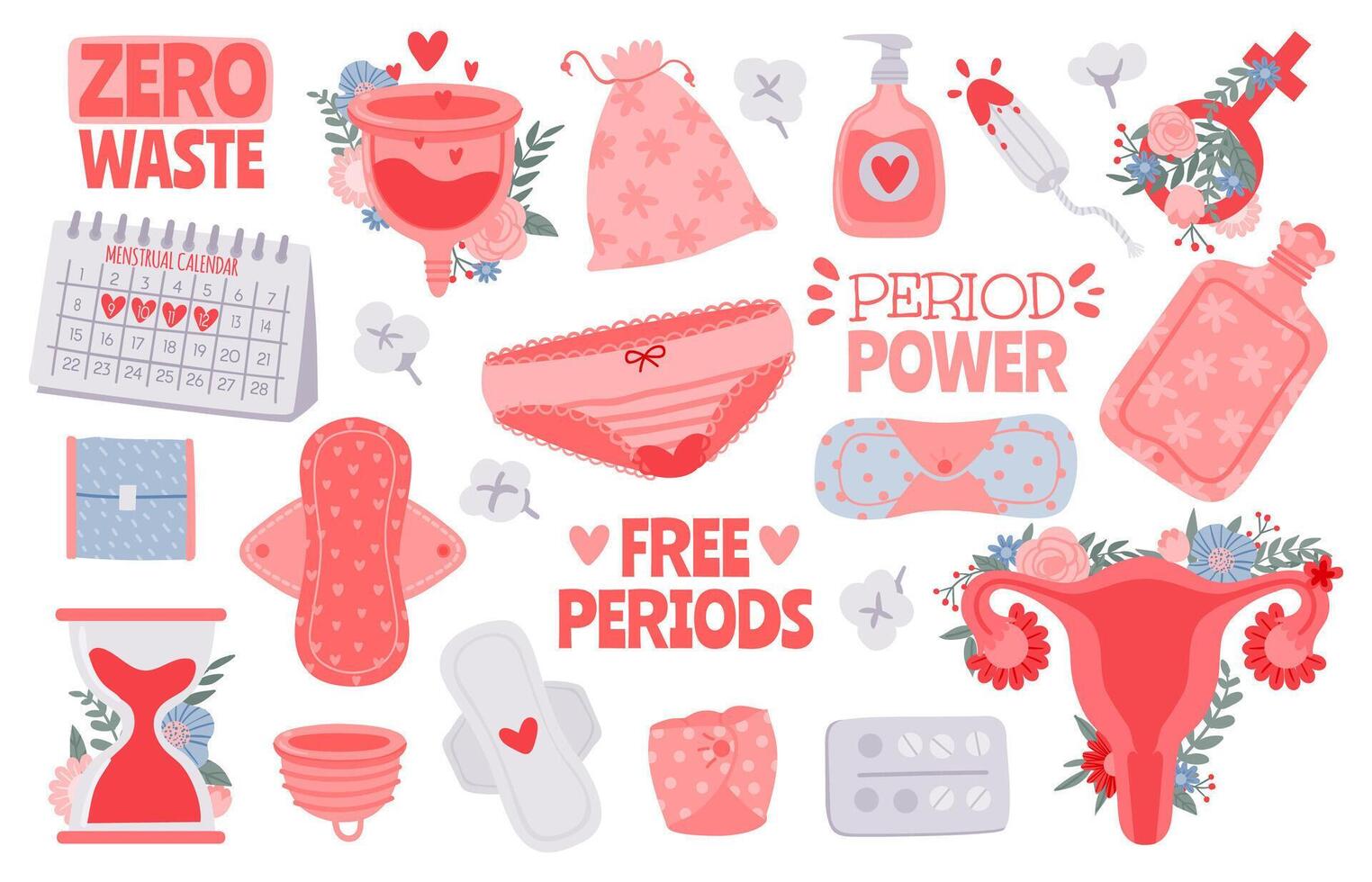
The Problem with Conventional Products
Most mainstream pads and tampons are made with bleached cotton, plastics, synthetic fibres, and chemical fragrances. These materials can trap heat, block airflow, and upset the vagina’s natural pH balance. They also contain trace chemicals such as dioxins and volatile organic compounds linked to irritation and inflammation.
Every disposable product also contributes to waste. A single menstruator uses an estimated 11,000 pads or tampons in a lifetime, much of which sits in landfills for centuries. This is especially concerning for communities already overexposed to environmental toxins.
Switching to organic or reusable care reduces both personal and environmental load. It’s a simple but powerful act of womb stewardship.
Reusable Period Options
Their reusable pad bundles and underwear are made from toxin-free organic cotton with no plastics or bleach. Soft and durable, they can replace months of disposables for both heavy and light flows.
These bamboo-charcoal cloth pads are absorbent and snap easily into place. Designed for comfort and long wear, they’re washable and suitable for all flow levels.
GladRags makes 100 % organic cotton pads and pantyliners in several absorbencies. Their flannel texture is gentle on sensitive skin and fully machine washable.
Handmade in Canada, these pads use soft organic cotton flannel, focusing on comfort and sustainability. Each one is stitched for longevity and minimal irritation.
Thinx period underwear replaces pads or tampons entirely. Depending on the style, each pair holds up to five tampons’ worth of flow and can be worn up to twelve hours.
Saalt offers both medical-grade silicone menstrual cups and absorbent underwear. Their cup provides up to twelve hours of protection, reducing waste by nearly 99 % compared to disposables.
Knix leakproof underwear features patented absorbent layers that hold up to 2.5 super tampons’ worth of liquid. They’re ideal for moderate flow days or postpartum care.
TomboyX offers gender-inclusive underwear in a wide range of sizes and cuts. All products are OEKO-TEX certified, free from PFAS, and ideal for sensitive users.
Known for the DivaCup, this brand now includes reusable underwear. Their medical-grade silicone cups last several years, lowering costs and landfill waste.
Organic Disposable Options
Rael’s pads and tampons use certified organic cotton, free from chlorine, dyes, or fragrances. They biodegrade more easily than conventional options and suit those easing into the switch.
Their organic disposable line offers short-term convenience without synthetic materials or heavy chemical processing.
The Case for Womb Health
Your vaginal and vulval tissue absorbs materials directly into the bloodstream. When pads or tampons are treated with synthetics or fragrances, those chemicals have direct access to your reproductive system.
Organic cotton and natural fibres breathe better, maintain a balanced microbiome, and lower risks of irritation, itching, or bacterial imbalance. In traditional womb-care teachings, this breathability is vital, as it allows the body’s natural flow of moisture and energy without being trapped or suffocated by plastics.
Reusable care also shifts the psychological relationship to your cycle. Washing and reusing products requires attention and patience. Over time, this practice cultivates awareness and acceptance instead of shame or detachment.
Environmental and Economic Impact
A reusable pad or cup can last three to five years. That reduces thousands of disposable items, saving hundreds of dollars annually. The environmental return is also significant: fewer toxins in waterways, less plastic pollution, and lower carbon footprints from production.
For context, the plastic tape used in disposable pads is among the most polluting plastics globally, with a high carbon output per piece. Choosing reusables is not only better for your body but also a direct contribution to environmental justice.
Making the Switch
Start small. Choose one product, perhaps a pair of Thinx underwear for light days or a Saalt Cup for more extended wear, and see how it feels. Washable pads, such as those from Lil Helper or GladRags, are easy to rotate through your cycle. For travel or emergencies, keep one or two organic disposables, like Rael.
Allow time for adjustment. The goal is not perfection but connection. Each cycle becomes a reminder to tend your body and the earth with care.
Closing Reflection
Better womb care begins with what you allow near your body. When you switch to products made with integrity and awareness, you invite balance back into your cycle. You protect your health, lower your waste, and restore a ritual of care once customary to our ancestors.
Reusables and organics are not trends. They are a quiet revolution honouring life’s natural cycles, one flow at a time.
 Blissful Births & Connections
Leave a comment