As a founder of Rooted in Wisdom and an educator, teaching and advocating for birth work is crucial. Birth work is a sacred and transformative field, deeply intertwined with cultural traditions, spiritual beliefs, and generational wisdom. Midwives, birthkeepers/doulas, and other birth professionals must navigate not only a rich and diverse landscape of customs that shape pregnancy, labour, and postpartum care but also understand the culture of the individual and how this influences their daily life physically, emotionally, spiritually, financially and mentally. Understanding and honouring these cultural practices is essential for providing respectful, inclusive, and holistic support to birthing individuals and families.
The Intersection of Culture and Birth
Culture shapes how pregnancy, birth, and postpartum recovery are approached. From prenatal rituals to postpartum healing traditions, every community holds unique beliefs passed down through generations. These customs influence everything from revealing pregnancy publicly, gender or names, diet and movement to birthing positions and postpartum care, reflecting a deep connection between ancestry, spirituality, and childbirth.
For example, in many Afro-Indigenous and Caribbean traditions, birth is seen as a communal event where the wisdom of elders, herbal medicine, and spiritual protection play significant roles. In some Asian cultures, postpartum care involves a structured confinement period where new mothers are nurtured with specific foods and practices to restore balance. Meanwhile, Indigenous communities often centre birth around the land, incorporating ceremonies and prayers to honour both the baby and ancestors. Notably, many of these communities share similar traditions, and so also understand that each family you connect with will have their own unique spin on their beliefs and to be respectful and supportive.
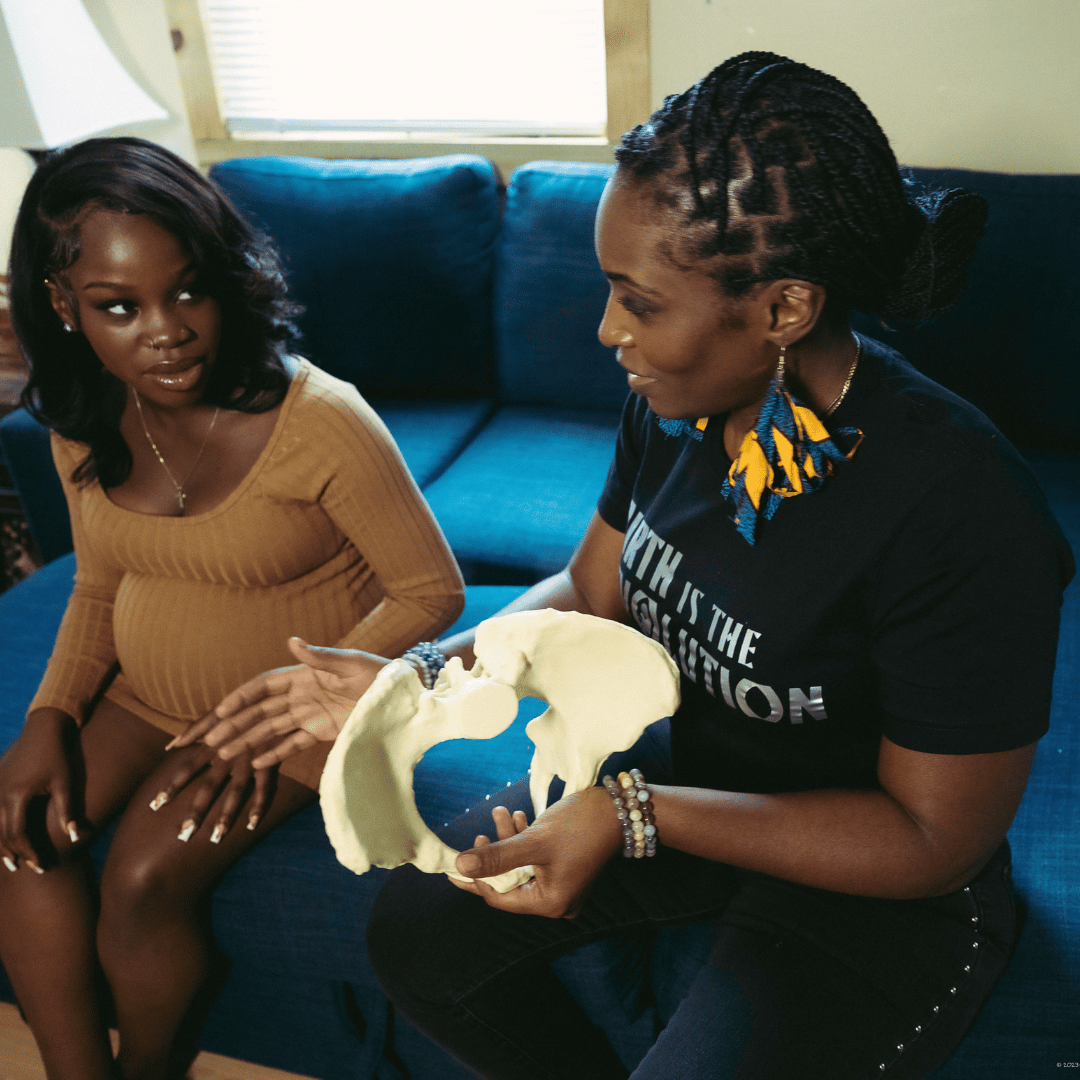
Challenges in Navigating Cultural Beliefs
Despite the beauty of these traditions, modern birth work often exists within a medicalised system that may not always respect or accommodate diverse cultural practices. Many families face systemic barriers when seeking culturally competent care, leading to feelings of exclusion or even medical mistreatment. Birth workers must advocate for their client’s right to incorporate their cultural traditions while balancing institutional policies and safety guidelines.
Some challenges birth workers may encounter include:
- Medical Systems vs. Traditional Practices – Some hospitals may dismiss cultural rituals, such as delayed cord clamping, withholding of placenta, or labouring in traditional positions.
- Language and Communication Barriers – Families with limited English proficiency may struggle to express their birth preferences, leading to misunderstandings or unmet needs.
- Religious or Spiritual Differences – Some families rely on prayers, anointing, or specific birthing ceremonies that may not be recognised or respected in clinical settings.
- Postpartum Healing Practices – Practices like belly binding, herbal steaming, or extended rest periods are often overlooked or discouraged in mainstream postpartum care.
Strategies for Culturally Responsive Birth Work
To truly support families from diverse backgrounds, birth workers must cultivate cultural humility, awareness, and adaptability. Here are some key strategies for navigating cultural traditions in birth work:
1. Build Cultural Competency
Birth workers should actively educate themselves on various cultural traditions, engage in community discussions, read historical texts, and listen to elders. Attending cultural competency that Rooted in Wisdom hosts and collaborating with traditional healers can also deepen understanding.
2. Ask, Listen, and Learn
Every birthing individual has a unique cultural identity. Instead of assuming their beliefs, birth workers should ask open-ended questions about traditions they wish to incorporate. Active listening fosters trust and helps create a personalised birth plan.
3. Advocate for Cultural Inclusivity in Birth Settings
Birth workers should support families in asserting their cultural rights within hospital or clinical settings. This may involve speaking with healthcare providers, requesting accommodations, or helping clients draft birth plans that reflect their traditions.
4. Integrate Holistic and Traditional Care
Birth workers can weave traditional practices into their care. For example, they can support herbal remedies, suggest culturally relevant comfort measures, or facilitate spiritual rituals during birth and postpartum.
5. Honour the Role of Community and Ancestry
Many cultures view birth as a communal experience rather than an individual event. Encouraging family involvement, honouring ancestral wisdom, and creating spaces for traditional practices can help families feel more empowered and supported.

The Future of Culturally Inclusive Birth Work
As the birth industry evolves, there is growing recognition of the importance of cultural traditions in maternal health. More familiesseekg birth workers who respect and integrate their heritage into care. At the same time, systemic advocacy for culturally competent healthcare is pushing institutions to be more inclusive.
Birth work is not just about medical outcomes but about honouring life, legacy, and lineage. By embracing cultural diversity in birth, birth workers can help preserve ancestral wisdom, empower families, and create birthing experiences that honour tradition, spirituality, and holistic wellness.
 Blissful Births & Connections
Leave a comment