The Importance of Postpartum Care in Holistic Wellness for BIPOC Women
The postpartum period, often called the “fourth trimester,” is a critical phase in a woman’s journey through motherhood. While pregnancy and childbirth receive much attention, the postpartum experience is often overlooked, particularly for Black, Indigenous, and People of Color (BIPOC) women. This stage is about physical healing and emotional, mental, and spiritual well-being. A holistic approach to postpartum care can help BIPOC women navigate recovery, prevent long-term health complications, and foster overall maternal wellness.
The Unique Challenges BIPOC Women Face in Postpartum Care
BIPOC women often face systemic barriers to quality maternal healthcare, including racial bias in medical settings, limited access to culturally competent providers, and financial constraints. Studies show that Brown women, in particular, experience higher rates of postpartum complications and maternal mortality due to inadequate care and dismissive attitudes from healthcare professionals. Additionally, Indigenous and Latina women often encounter language barriers and a lack of resources tailored to their cultural needs.
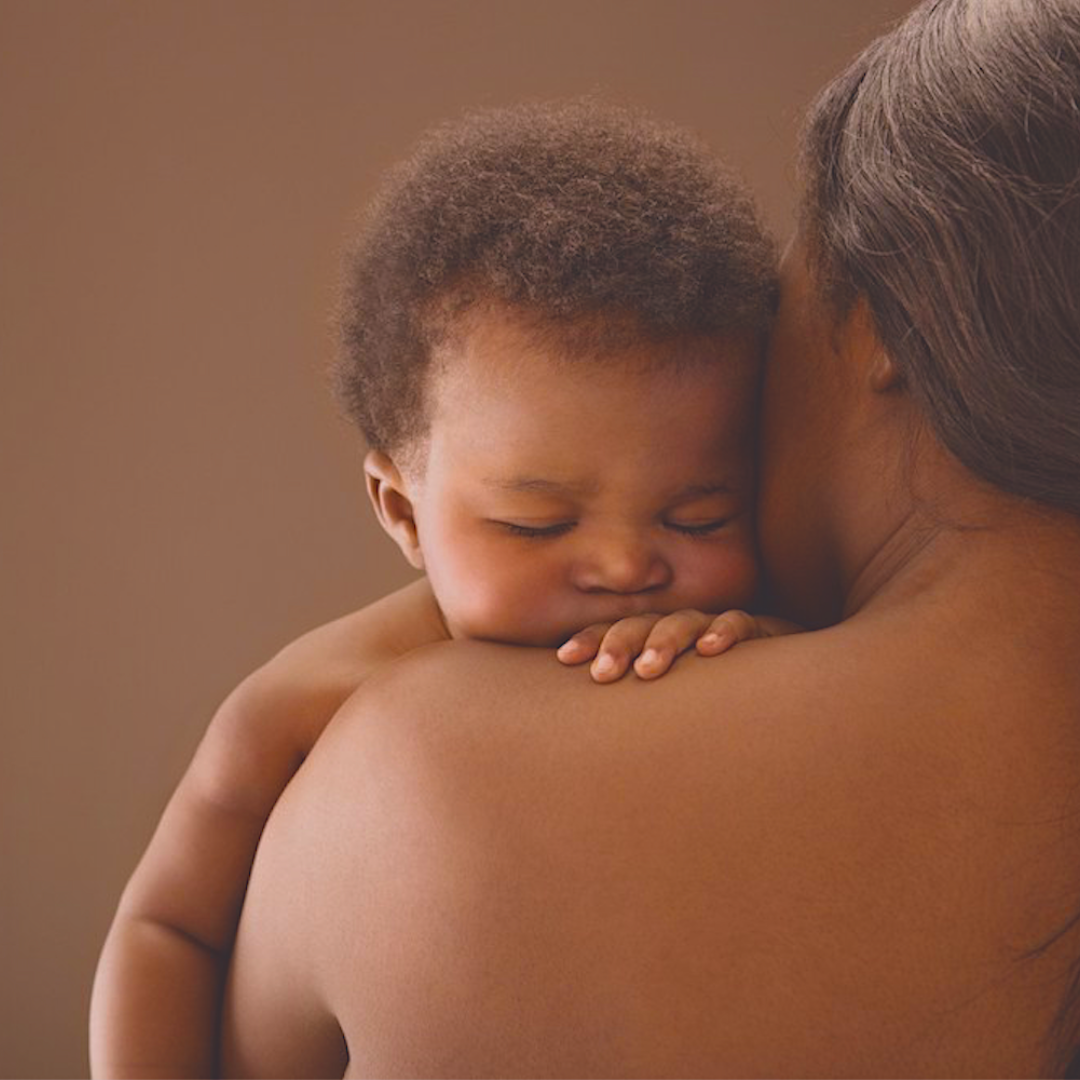
The societal expectation that mothers should “bounce back” quickly adds another layer of pressure, discouraging the necessary rest and recovery. I grew up watching women give their bodies at least 24 months before having another child, ensuring that both mom and baby have received proper care and intentional time during this resting period. In many cases, traditional postpartum support systems, such as multigenerational caregiving and community-based healing practices, have been disrupted due to migration, urbanisation, and cultural assimilation. As a result, many BIPOC women experience postpartum depression, anxiety, and physical ailments without the proper support.
Holistic Practices for Postpartum Recovery
Holistic postpartum care recognizes the interconnectedness of mind, body, and spirit. By incorporating traditional and natural healing methods, BIPOC women can reclaim wellness practices that have historically supported maternal health in their communities.
- Nourishing Foods and Herbal Support
Proper nutrition plays a crucial role in postpartum recovery. Traditional diets across various cultures emphasize warm, nutrient-dense foods that promote healing and energy restoration. Many Indigenous and African traditions include bone broths, herbal teas, and iron-rich meals. Herbs like red raspberry leaf, nettle, and fenugreek support hormonal balance, lactation, and overall well-being. - Rest and the Sacredness of Postpartum Rest Periods
Many cultures have a designated rest period for new mothers. For example, in Haiti, we have a closing of the womb, a postpartum bath, and a placenta burial ceremony. Then the mom is pampered and rests for 40 days to stabilise breastfeeding, healing and stopping bleeding. These traditions prioritize a mother’s recovery by ensuring she is cared for by family members and allowed time to heal before returning to daily responsibilities. These practices can help mitigate stress, reduce postpartum depletion, and prevent chronic health issues. - Emotional and Mental Health Support
Postpartum depression disproportionately affects BIPOC women, yet it is frequently underdiagnosed due to stigma and a lack of culturally competent mental health resources. Joining an organisation like Rooted in Wisdom offers women community-centred care, and we have weekly, monthly, and yearly workshops and events. Also, hosting support groups, referrals for therapy with BIPOC providers, and spiritual counselling can create safe emotional expression and healing spaces. Practices such as journaling, affirmations, and meditation also support mental clarity and resilience. - Bodywork and Womb Healing
Traditional healing practices like belly binding, yoni steaming, and postpartum massage aid physical recovery by promoting circulation, organ realignment, and relaxation. In Haitian, African and Indigenous traditions use warm compresses and herbal treatments to help the uterus contract and support reproductive health. - Community and Spiritual Connection
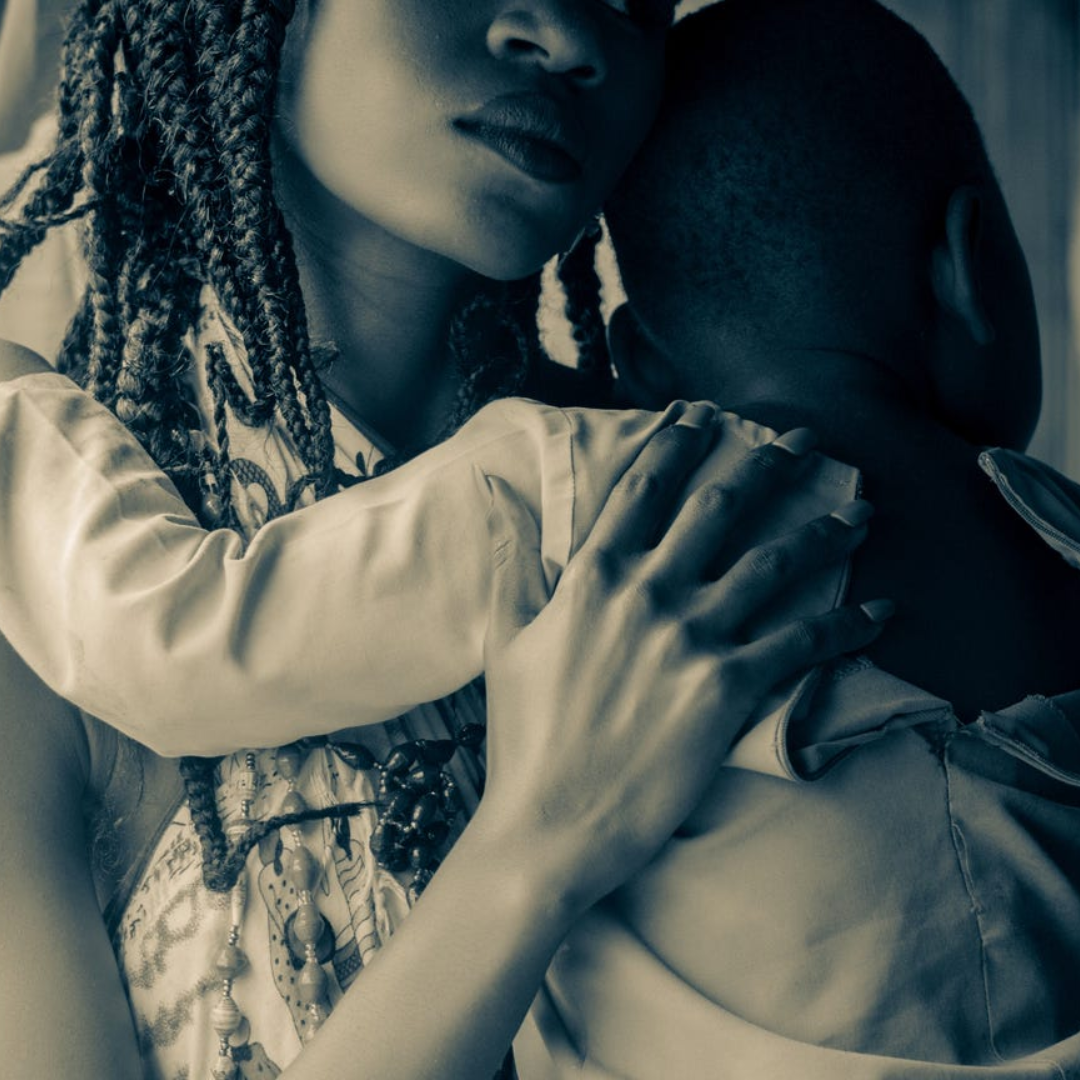
Holistic postpartum care thrives in a supportive community. Joining a community like Rooted in Wisdom is crucial for BIPOC women to benefit from spaces where they can share experiences, receive wisdom from elders, and engage in spiritual practices that honour their transitions into motherhood. Whether through faith-based gatherings, accountability sisters, or collective healing circles, these connections provide emotional sustenance and a sense of belonging.
The Path Forward
To improve postpartum care for BIPOC women, there must be a collective effort to prioritize culturally affirming, holistic wellness practices. Healthcare providers should integrate traditional knowledge with modern medical care, ensuring that postpartum recovery is a physical process and a deeply nourishing, restorative experience. Still, more than that, women begin attending Midwives and joining programs like Rooted in Wisdom and many others that support you virtually and in-person so you’re not alone. Additionally, policy changes that support paid maternity leave, accessible postpartum doulas, and mental health resources are crucial to ensuring every mother receives the care she deserves.
By reclaiming and promoting holistic postpartum wellness, BIPOC women can heal in ways that honour their cultural identities, strengthen their families, and build a future where maternal health is no longer an afterthought but a priority.
 Blissful Births & Connections
Leave a comment