Babywearing, the practice of carrying infants close to the body using a cloth, is deeply rooted in the cultural and spiritual traditions of many BIPOC communities. For generations, this practice has been more than a mere convenience; it is a vital component of child-rearing that fosters emotional bonding, provides comfort, and supports the baby’s developmental needs.
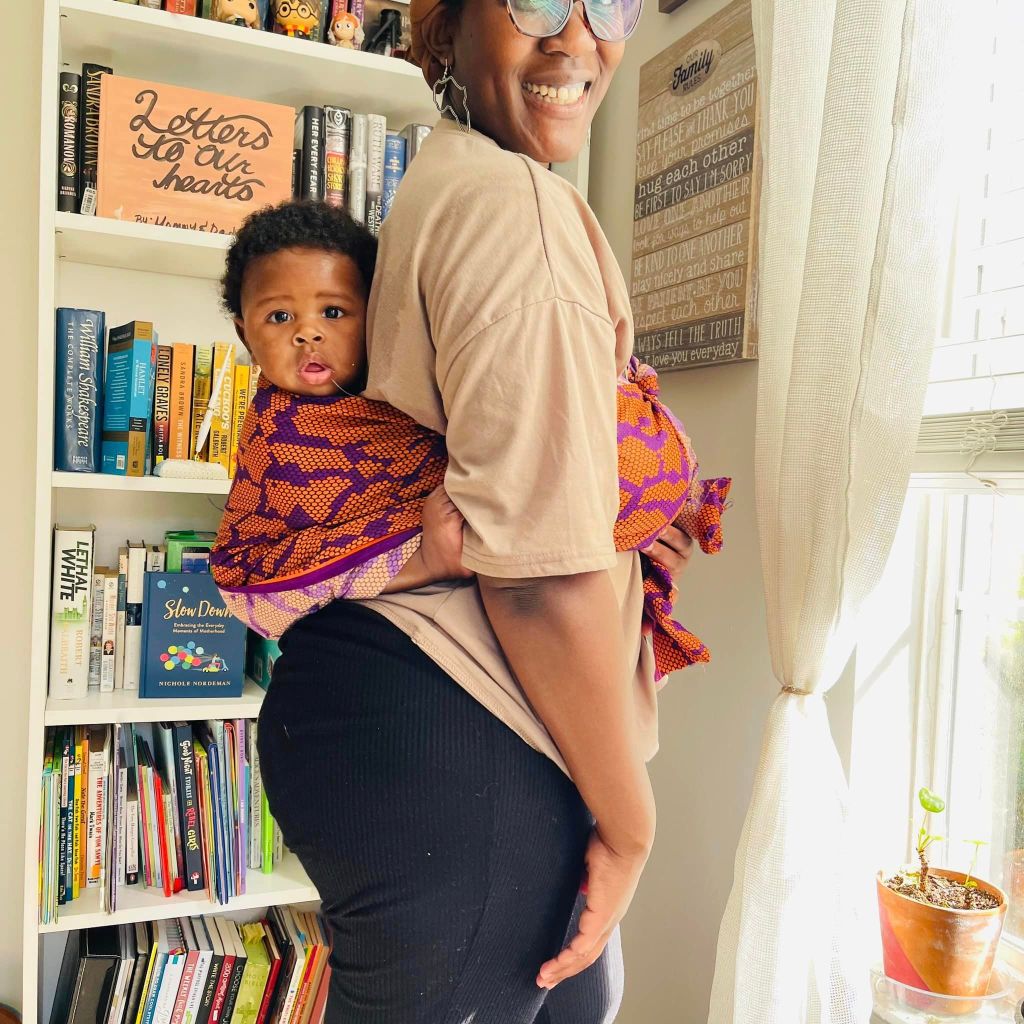
In my culture, baby-wearing is integral to daily life. The mwen n ap fèt (traditional carrying cloth) or woven slings and wraps is often used to keep babies close while mothers attend to their chores. This practice ensures that infants are constantly within the comforting embrace of their caregivers, which promotes security and emotional stability. This method facilitates maternal tasks and keeps the child in close physical contact, supporting emotional and physical development. This practice is not just about practicality; it is steeped in spiritual significance, as it is believed to pass on strength and wisdom from the caregiver to the child.
Historically, our ancestors understood the profound connection that baby-wearing nurtures. However, those unfamiliar with its significance have often ridiculed this deeply cherished tradition. In the past, our practices were mocked with twisted dark humour, as outsiders failed to appreciate the cultural and emotional depth behind them.
Ironically, the essence of baby-wearing has been commodified in recent years. Western brands now market baby carriers, often priced at $50 or more that promise comfort and bonding but frequently fall short of genuinely supporting traditional methods’ emotional connection. Despite their high price, these commercial products often fail to provide the genuine comfort and security that traditional wraps deliver. This stark contrast highlights how a sacred cultural practice, once demeaned, is now exploited for profit, stripping it of its true meaning and value.
Babywearing is a powerful cultural and spiritual practice that transcends mere practicality. It embodies the love, connection, and care integral to our communities for generations.
 Blissful Births & Connections
Leave a comment