As an Afro-Indigenous midwife, I am deeply committed to honouring the diverse cultural and personal choices that expectant mothers make regarding their birth experiences. Each birth setting offers unique advantages and challenges, and understanding these can help families make informed decisions that align with their values and circumstances. Here, I will discuss the three main types of births: hospital births, home births, and free births.
Hospital Births
Hospital births are the most common in many parts of the world, including the United States. They are often chosen for their access to fully insured coverage, advanced medical technology, and the immediate availability of emergency care. For mothers with high-risk pregnancies or underlying health conditions, a hospital birth can provide peace of mind and the assurance that any complications can be swiftly managed.

However, hospital births can also come with certain drawbacks. The clinical environment may feel impersonal, and standard hospital protocols can sometimes limit a mother’s autonomy and natural birthing process. Many women find the presence of medical interventions, such as continuous fetal monitoring or induced labour, to be intrusive and stressful. As an Afro-Indigenous midwife, I advocate for respectful and culturally sensitive care within hospital settings, ensuring that the mother’s voice is heard and her preferences are honoured.
Home Births/Birthing Centre
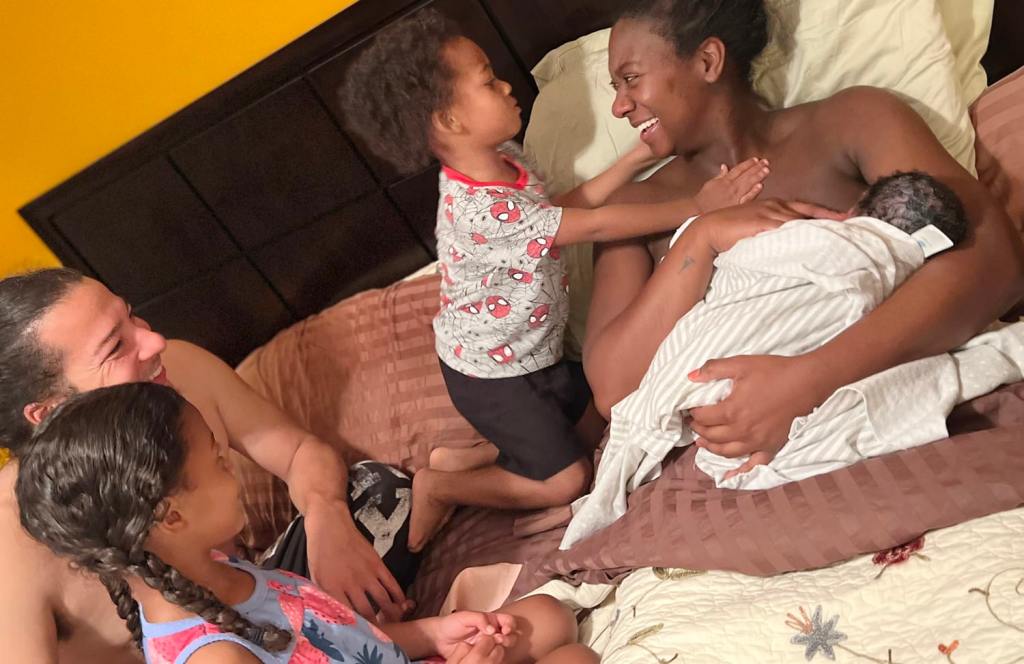
Home births and also Birthing Centres offer a more intimate and personalised birthing experience. Many women feel more relaxed and in control when giving birth in their homes, surrounded by familiar comforts and supportive family members. If you aren’t at home, birthing centres often will replicate the cozy environment of your home with low lighting, music, quiet atmosphere and people. Both of these births can also allow for greater freedom in choosing birthing positions and methods, such as water birth.
As a midwife, I provide comprehensive prenatal care, continuous support during labour, and postpartum care at home births and can always accompany you as a Birthkeeper for a birthing centre birth. This model of care fosters a strong, trusting relationship between the midwife and the family, enhancing the overall birth experience. However, it is crucial to ensure that home births are planned with thorough risk assessments and emergency plans in place, as they may not be suitable for high-risk pregnancies.

Free Births
Free births, or unassisted births, involve giving birth without the intervention of a professional healthcare provider or the presence of one. That means you can simply have your midwife or birthkeeper (doula or another birth worker) there to provide emotional and physical support but end their scope of work there. Some women choose free birth to maintain complete control over their birthing process and typically avoid medical visits altogether. This choice is often rooted in a deep trust in the natural birth process and the body’s ability to give birth without external assistance.
While free births are empowering, they can also carry significant risks, especially if unexpected complications arise. It is essential for those considering free birth to be well-informed and prepared for various scenarios. As an advocate for safe birthing practices, I encourage open discussions and thorough preparation for anyone contemplating this path.
In conclusion, the choice of birth setting is profoundly personal and should be respected and supported by healthcare providers. As an Afro-Indigenous midwife, I aim to empower women to make informed decisions that align with their cultural values and personal preferences, ensuring a safe and positive birthing experience regardless of the setting.
 Blissful Births & Connections
Leave a comment